 教職員公募
教職員公募 在校生の方
在校生の方 アクセス
アクセス Instagram
 友だち追加
友だち追加 入試情報(中学)
 学校紹介(中高)
 教育内容(中高)
 学校生活(中高)
 進路
進路
クイーンズランド海洋研修④
- # 高等学校
- # イベントレポート
- # 理数探究課程
- # グローバル課程
Research process
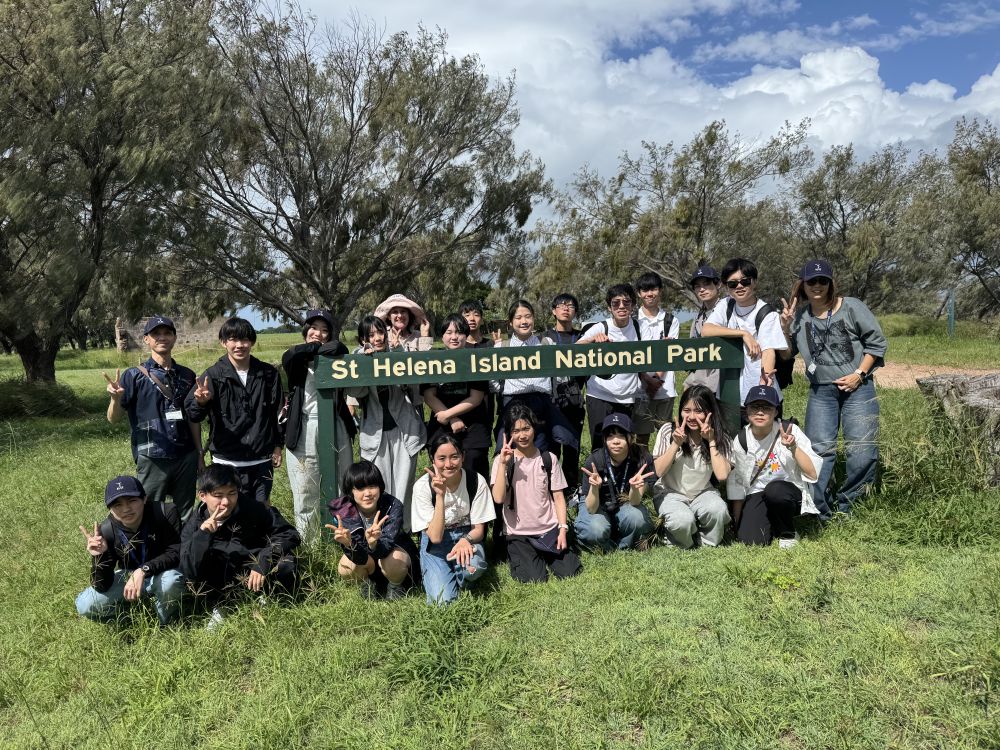
We took a bus from the North Lakes State College to the beach.After getting off the bus and taking a restroom break,we started investigating in the tidal flats.
<Tidal flats survey>
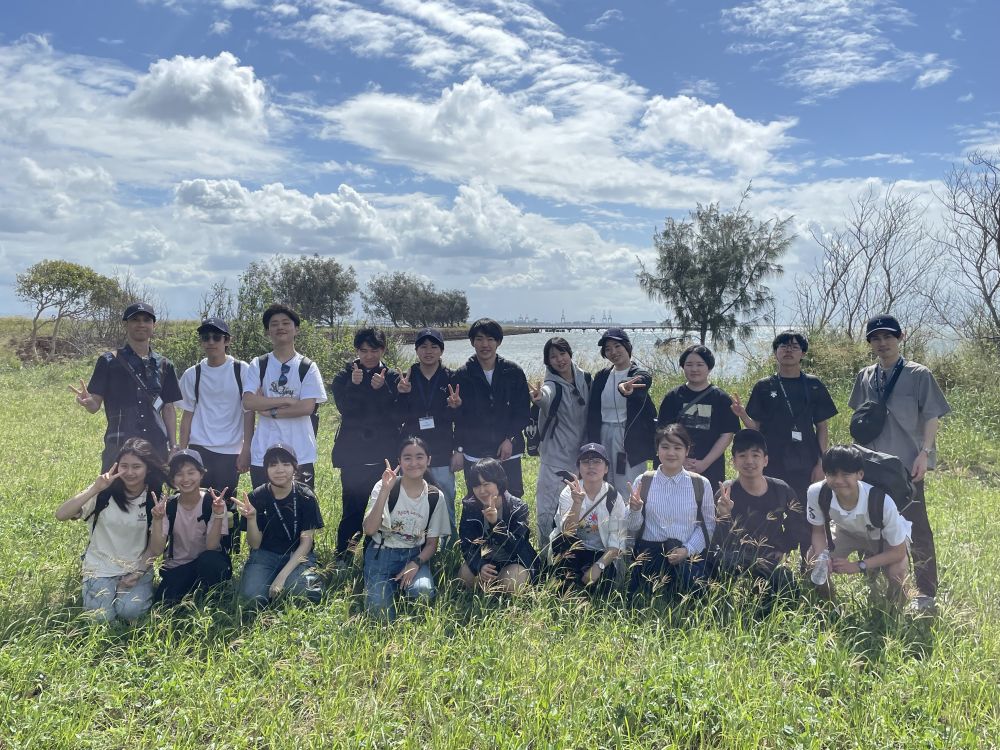
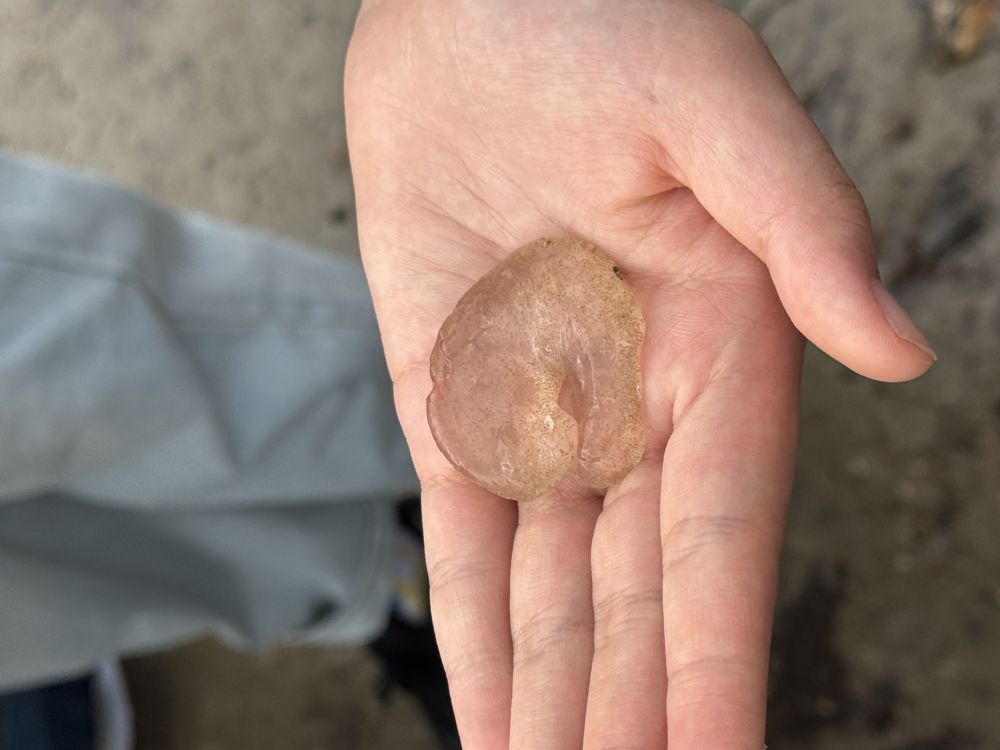
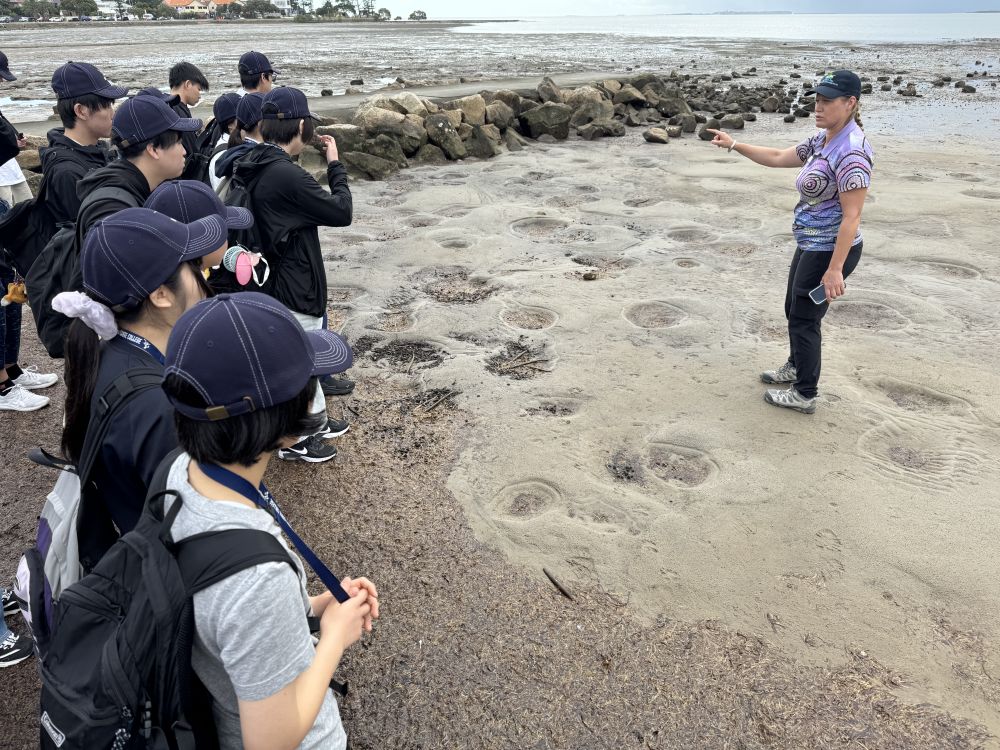
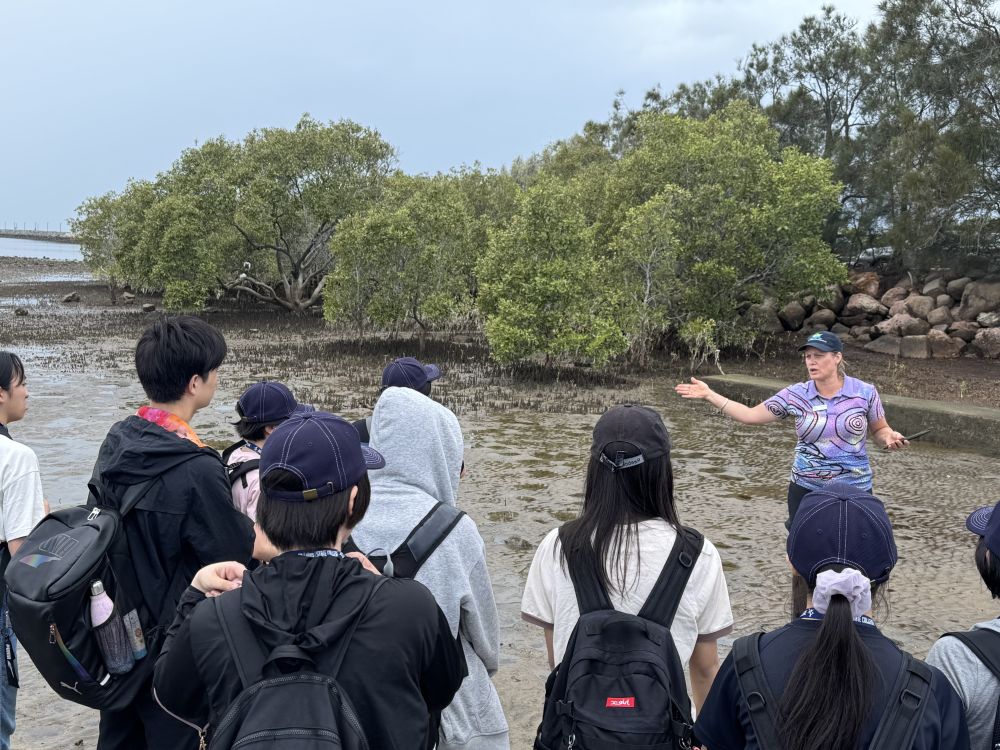
There were mangroves at the edge of the tidal flats.Thanks to that,it is useful for some small fish to inhabit and mangroves clean up contaminated water.Also,There were a lot of indentations made by stingrays to eat some small shrimps or planktons in the mud.Near the indentations,there were some birds’ footprints because of many birds fly here from March to October and eat some creatures in the mud.Also,we were able to discover a variety of species such as crabs and mud snails on the mud.There were transparent eggs in one of many indentations.Those are believed to be eggs laid by mud snails.As a result of this,
investigation,mangroves were having a positive impact on ecosystems in tidal flats.
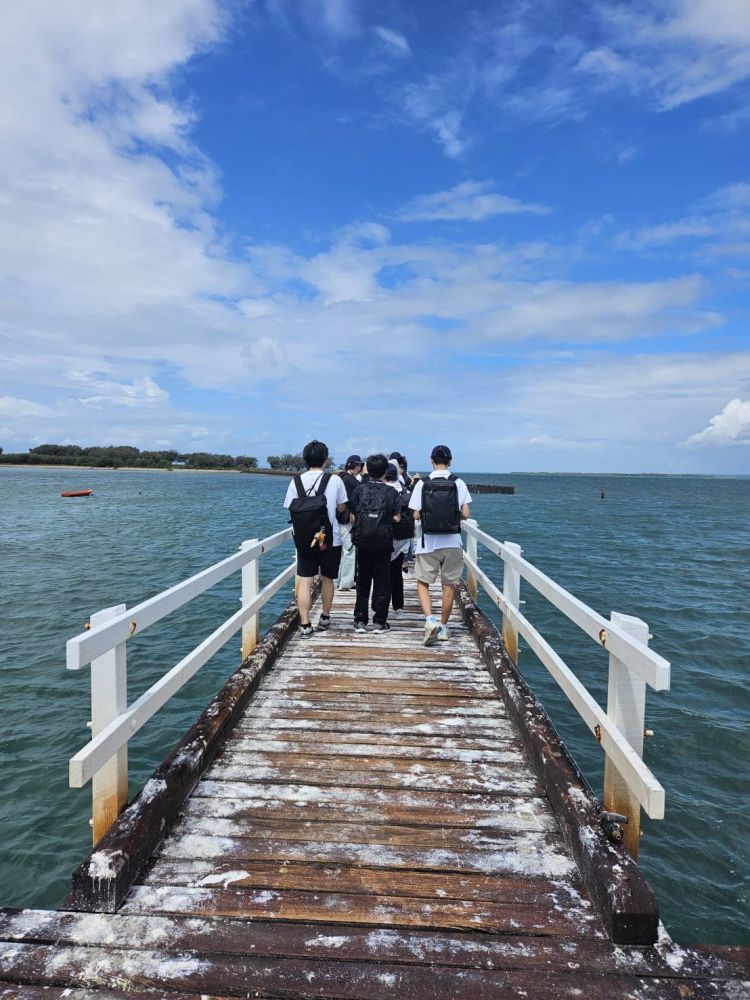
After finishing our exploration of the tidal flats,we boarded the ship and headed towards SH6 point.
<Shipboard survey>
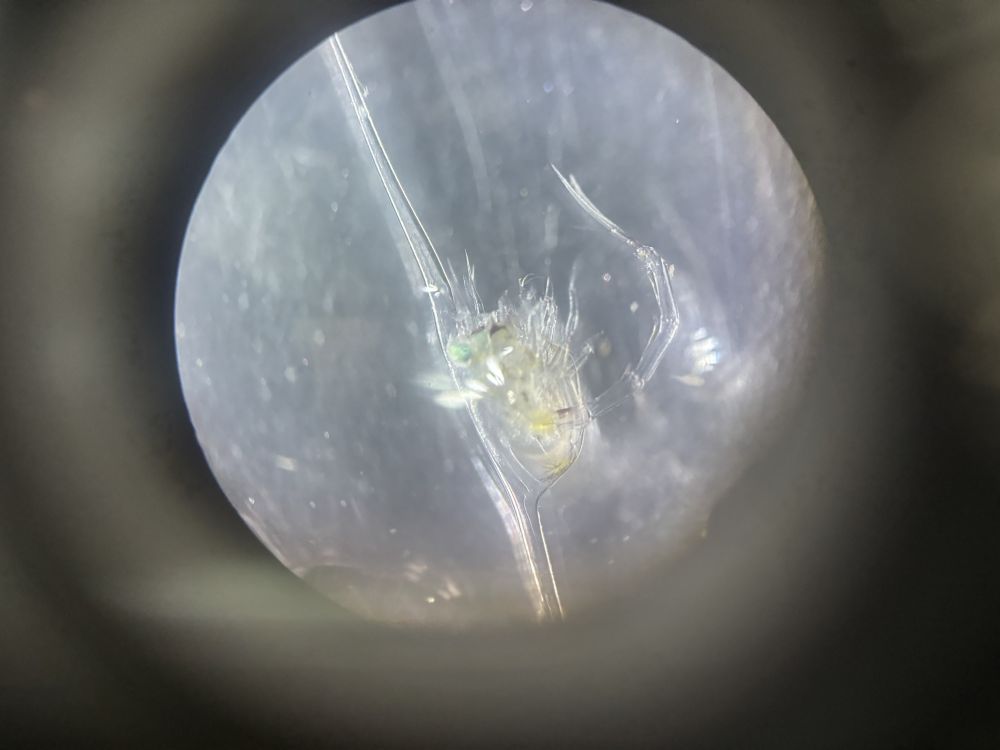
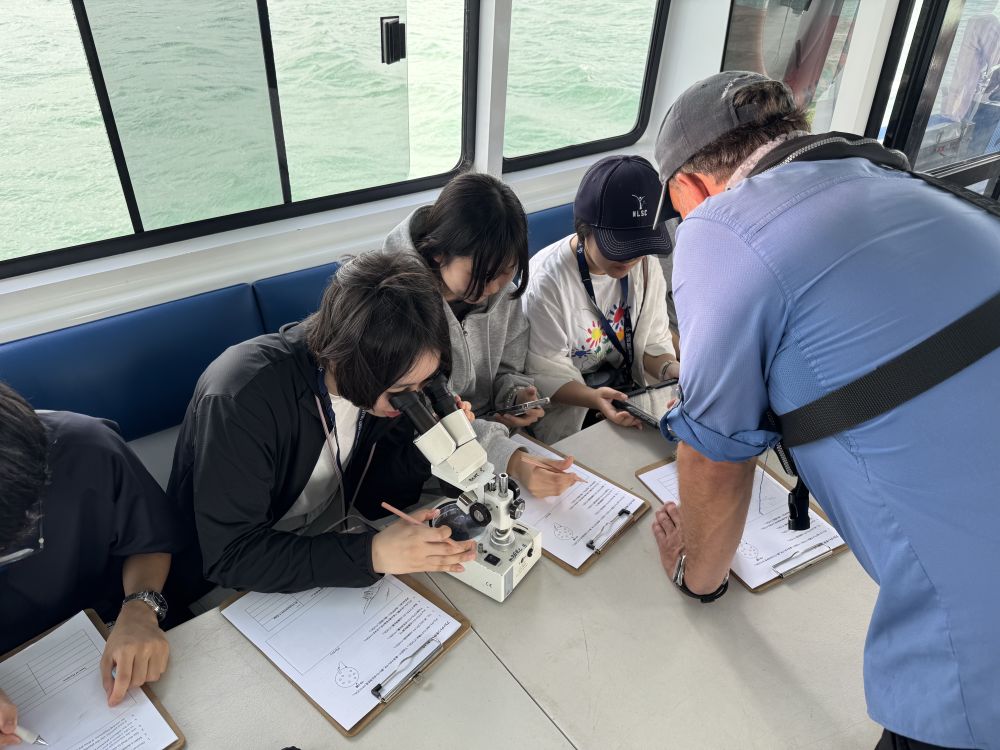
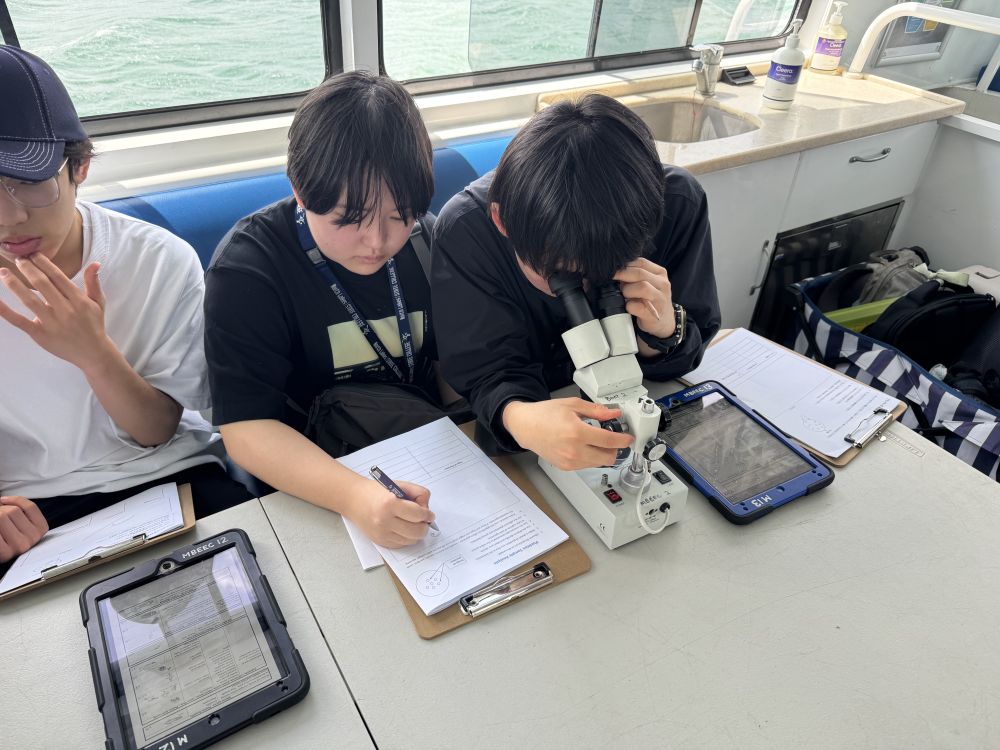
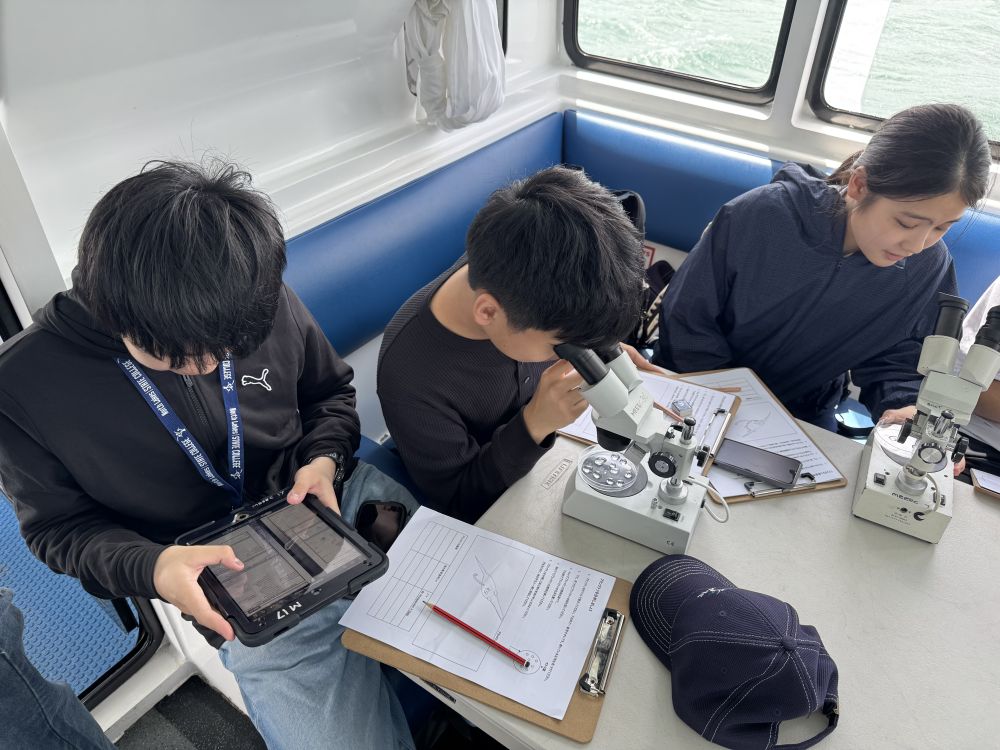
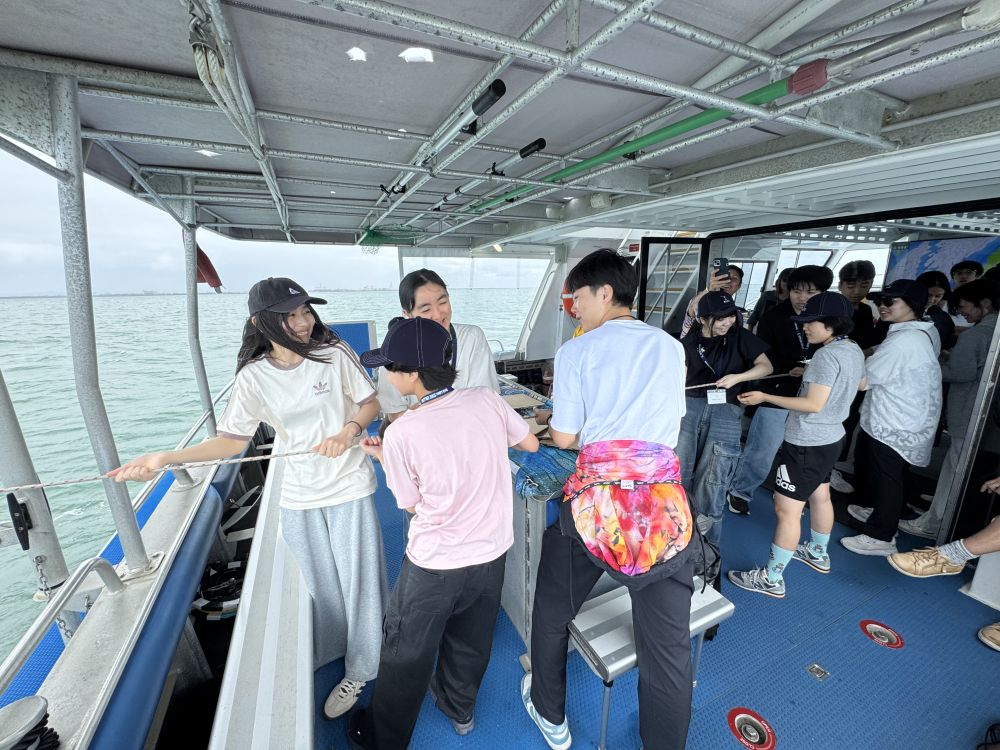
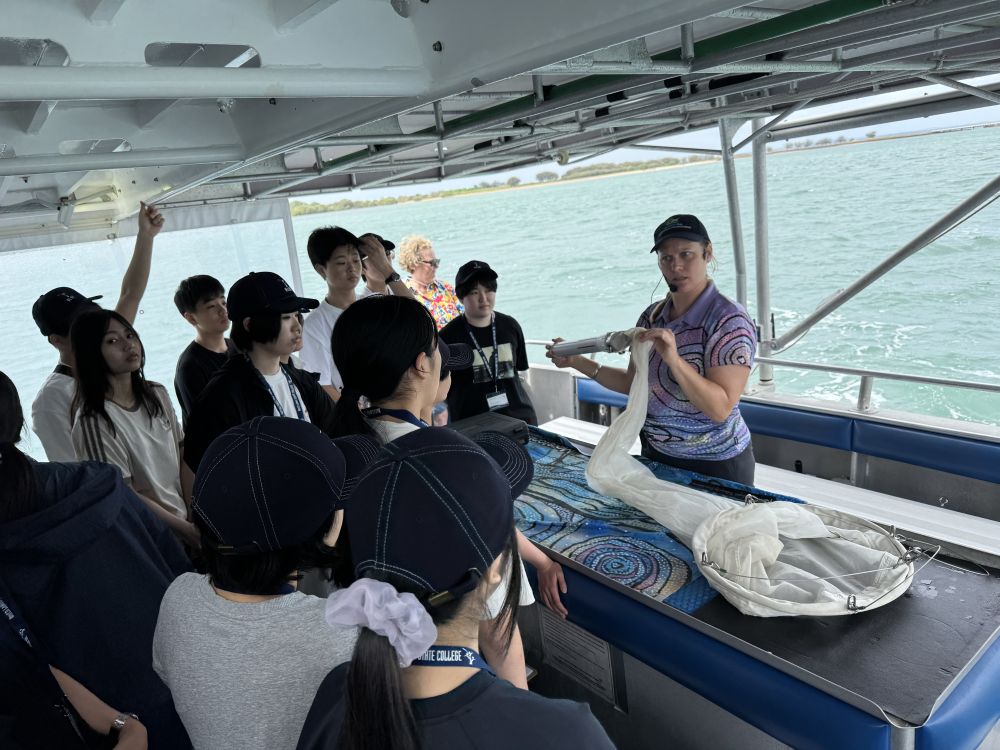
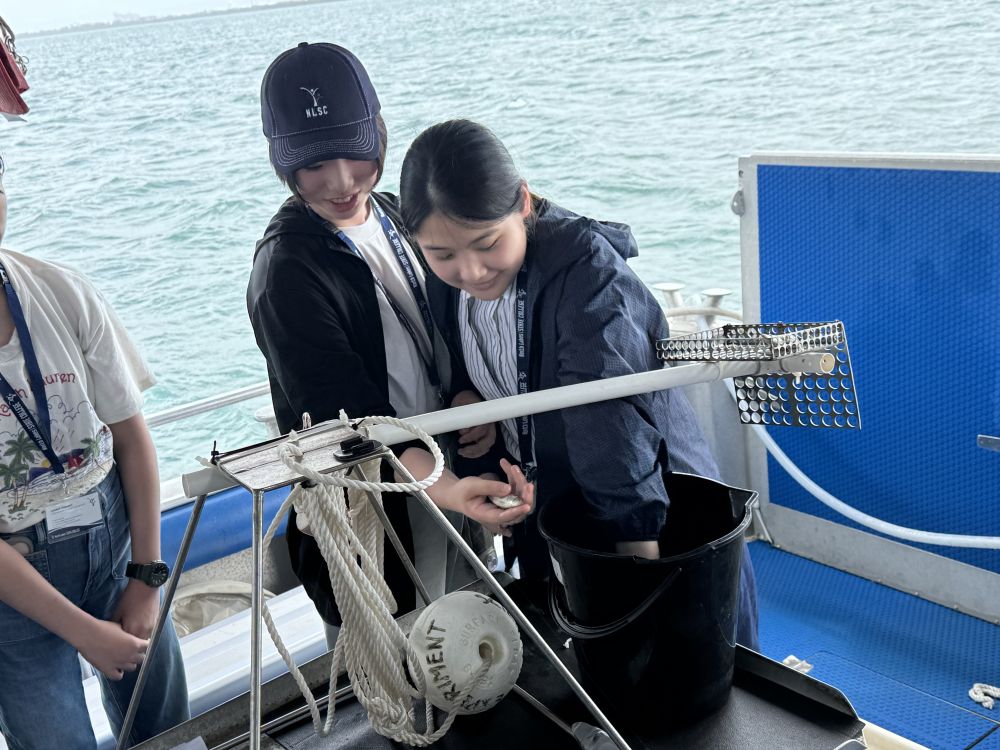
Before we arrived at SH6 point,we wrote some conditions on paper.For example,wind speed,wind direction,water temperature and salinity ppt.Also,we lowered a net with a 10kg weight attached into the water.After we arrived at SH6 point,we pulled up the net and observed planktons using binocular stereo microscopes in pairs.After that,we sketched the details of the planktons on paper.In addition,we classified them in terms of type,rarity and whether they were zooplankton or phytoplankton.On an island or on a ship,we analyzed baited remote underwater video.
<Analysis process>
1.We sat up the video and checked the Data Card shot.Also,we wrote details on paper.
2.We watched the video and paused when we saw the first fish.
3.We took a screen capture and made this picture vivid for later identification.
4.We used iPad to identify and recorded about the information of fish in photographs .
5.We kept watching this video.
As a result of this investigation,we learned that eggs laid in mangroves areas drift in the ocean and the mangrove environment is also connected to the ocean.
<My impressions >
I was happy to investigate on the ship.Also,I was excited to see some creatures in the ocean and around the island.I hope this experience will be valuable to us.
Written by Riku.
研究過程
私たちはノースレイクス・ステート・カレッジからバスでビーチへ向かった。バスを降りてトイレ休憩をとった後、干潟での調査を開始した。
<干潟調査>
干潟の端にはマングローブが生えていた。これらのマングローブは小さな魚の生息場所を提供し、汚染された水を浄化する役割も果たしている。また、泥の中には多くのくぼみが見られ、これはエイが小さなエビやプランクトンを捕食する際にできたものだと考えられる。これらのくぼみの近くには鳥の足跡も見られた。これは3月から10月にかけて多くの鳥がこの地域に飛来し、泥の中の生物を食べているためである。
さらに、カニやウミニナなど、さまざまな生物を発見することができた。くぼみの一つの中には透明な卵も見つかり、これはウミニナが産んだ卵であると考えられる。この調査の結果、マングローブは干潟の生態系に良い影響を与えていることが分かった。干潟での調査を終えた後、私たちは船に乗り、SH6地点へ向かった。
<船上調査>
SH6地点に到着する前に、風速、風向、水温、塩分濃度(ppt)などの環境条件を記録した。その後、10kgのおもりを付けたネットを水中に投入した。SH6地点に到着した後、ネットを引き上げ、双眼実体顕微鏡を使ってペアでプランクトンを観察した。プランクトンの詳細をスケッチし、種類や希少性、動物プランクトンか植物プランクトンかで分類した。また、島や船上では、餌付き遠隔水中カメラの映像も分析した。
<解析過程>
1.映像を準備し、データカードの映像を確認した。
2.映像を視聴し、最初の魚を確認した時点で一時停止した。
3.スクリーンショットを撮り、識別のために画像を鮮明化した。
4.iPadを用いて魚を特定し、その情報を記録した。
5.その後も映像の視聴を続けた。
この調査の結果、マングローブ域で産まれた卵は海へと流れていくことが分かり、マングローブの環境が海洋とも密接につながっていることを学んだ。
<感想>
船上で調査を行うことができてとても嬉しかった。また、島の周辺や海の中でさまざまな生物を観察でき、とてもわくわくした。この経験は今後の私たちにとって貴重なものになると思う。
吏玖執筆